Our infrastructure
Transmission Network
Excellently interconnected
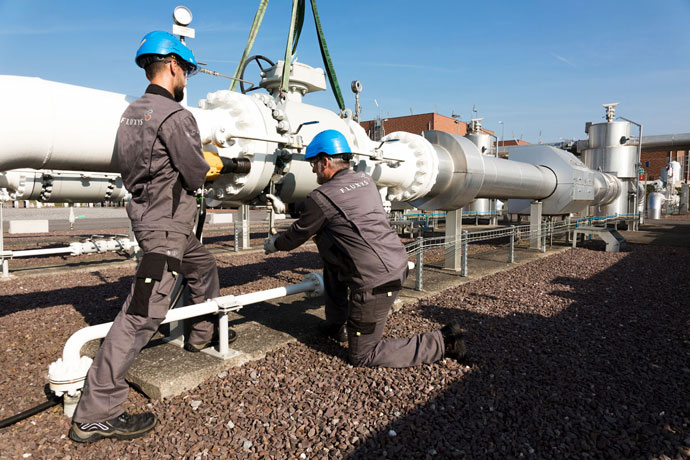
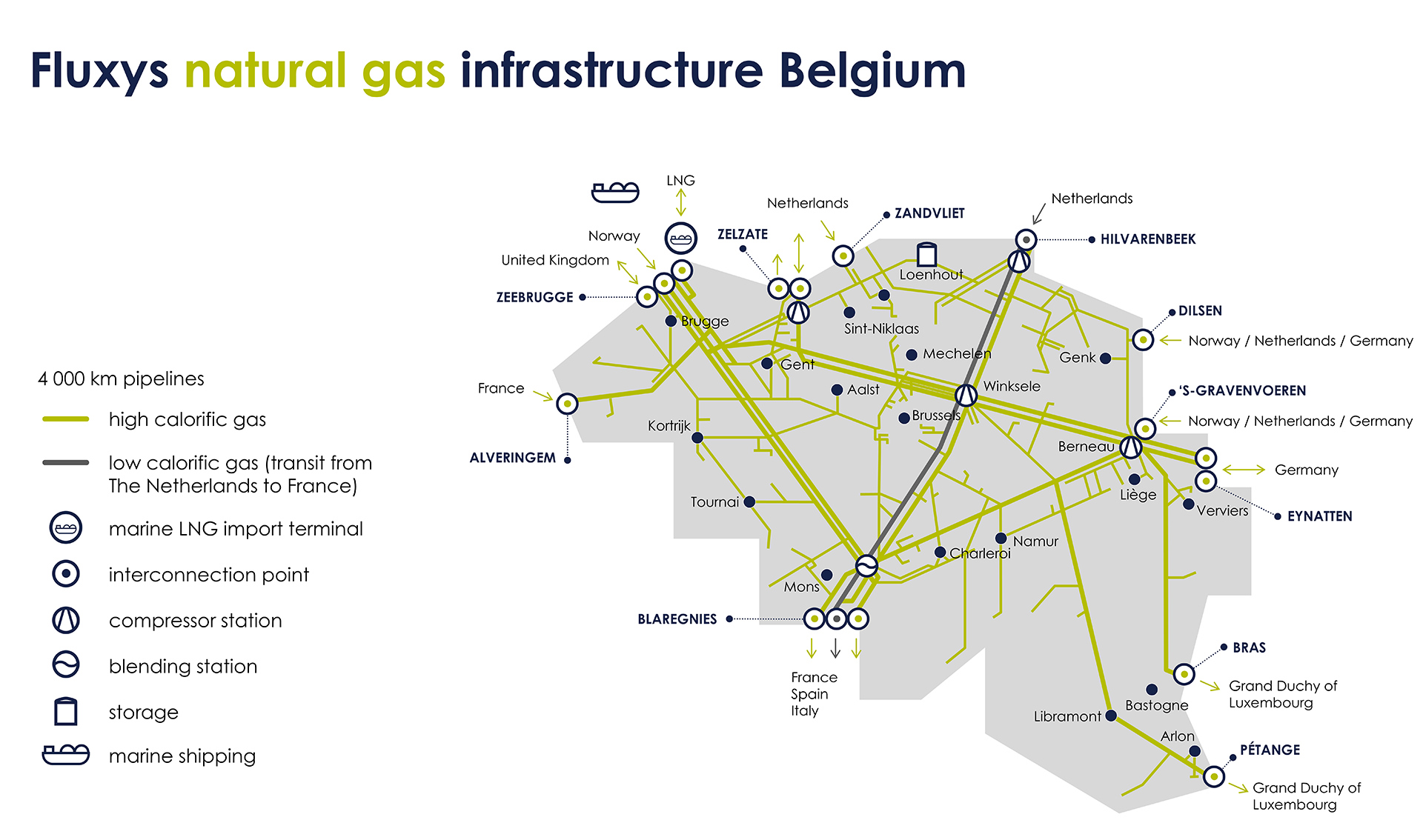
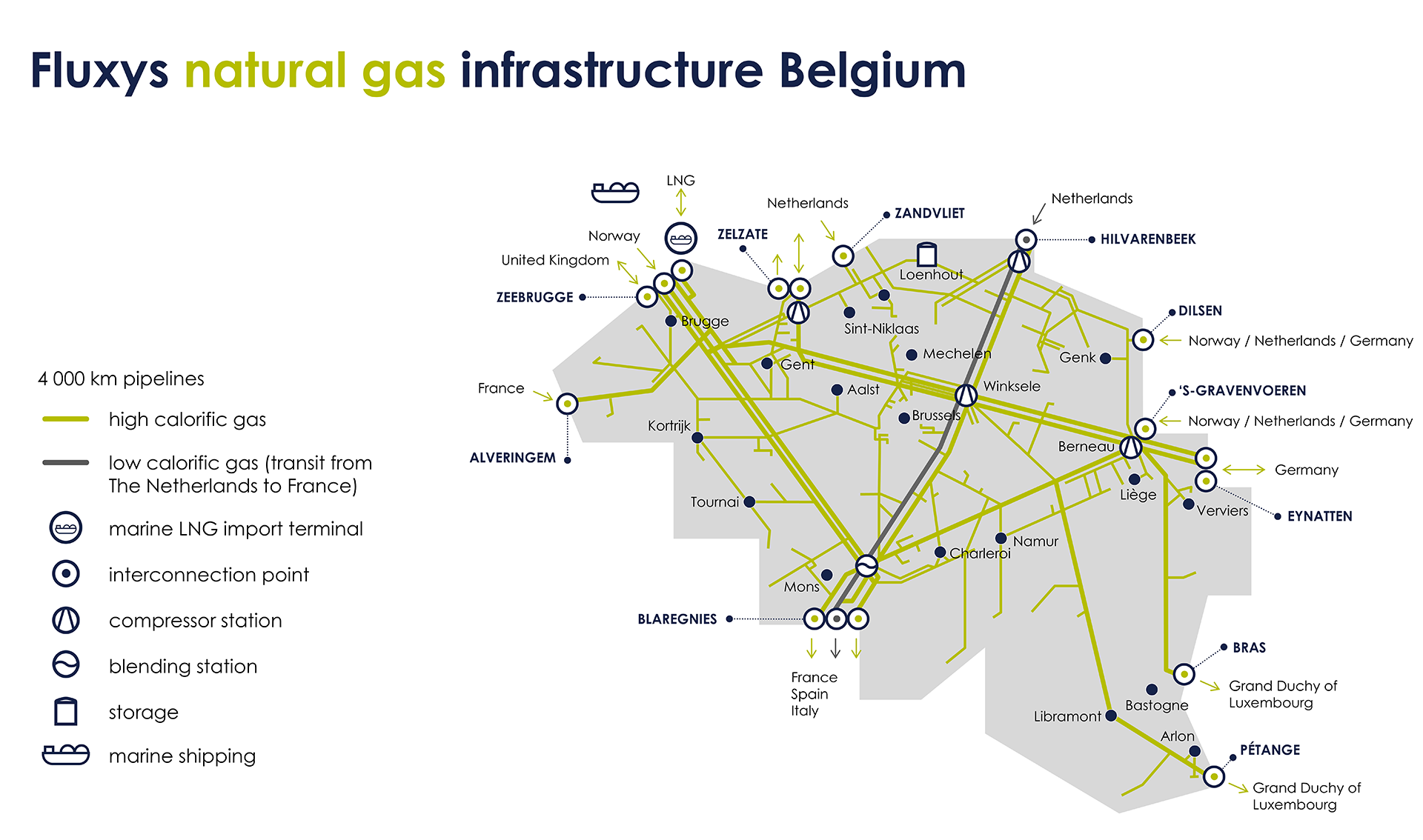
Fluxys Belgium’s transmission network is excellently linked to all natural gas sources available to the European market. The system also enables gas flows in both directions with all adjacent markets. Thanks to its versatility, customers use the Belgian system both for their supplies into Belgium and for border-to-border transmission to supply other markets in Northwest Europe.
|
Network length |
4,000 km |
|
Border interconnection points |
Interconnection points with all adjacent markets: UK, France, The Netherlands, Germany and Luxemburg |
|
Network connection points in Belgium |
Connections with 17 Distribution System Operators Connections with 230 industrial sites and gas-fired power stations |
|
Compressor stations |
Berneau, Weelde, Winksele, Zelzate |
Network conversion to high-calorific gas
The gas system in Belgium consists of two separate networks: a network for high-calorific gas and a network for low-calorific gas. The latter is gas from the Groningen field in the Netherlands and exports of this low-calorific gas will progressively phase out between 2024 and 2030. Fluxys Belgium and the Distribution System Operators have proactively switched end-users of low-calorific natural gas to high-calorific natural gas, as of September 2024.
Zeebrugge LNG Terminal
LNG gateway into Northwest-Europe and beyond
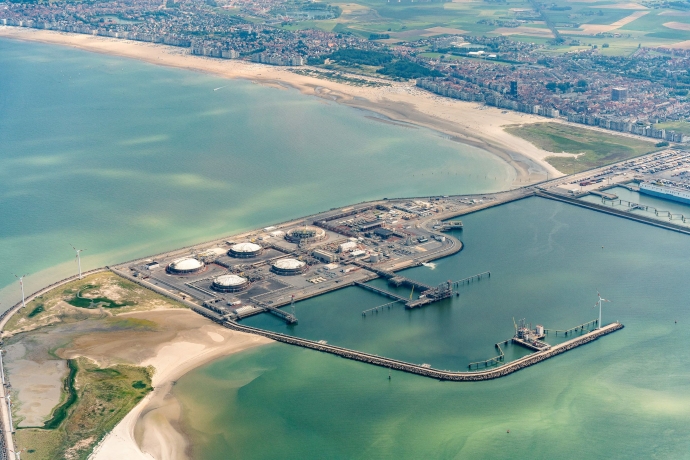
The Zeebrugge LNG terminal serves as a gateway to supply liquefied natural gas (LNG) to Northwest Europe and beyond. The facility provides for unloading large LNG vessels and keeping the LNG temporarily in storage. The LNG can be regasified and injected into the transmission network for delivery throughout Northwest Europe or loaded back onto LNG ships to supply other markets. Direct transshipments of LNG between two vessels are also possible.
Large-scale and small-scale LNG
In addition to accommodate large LNG vessels and large volumes of LNG, the Zeebrugge terminal also loads small LNG vessels and LNG trailers to serve the so-called small-scale LNG market: LNG used as an alternative fuel for vessels and trucks or as fuel for industrial customers not in the vicinity of a natural gas pipeline system.
|
Maximum technical capacity Regasification capacity Transshipment capacity Storage capacity Send-out capacity |
197 TWh/year (17 bcm) 107 transshipments (214 ships)/year 566,000m³ of LNG (5 storage tanks) 30.2 GWh/hour |
|
LNG carriers received since |
Loenhout underground storage
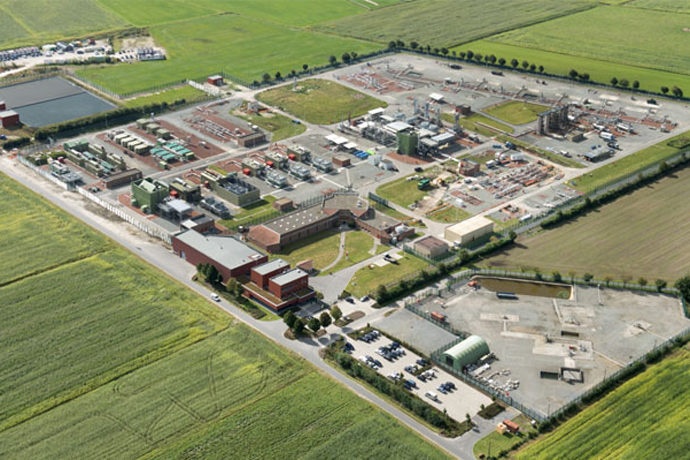
Loenhout is a unique Fluxys facility, where we operate an underground gas storage plant which serves as a giant strategic buffer for the energy system.
|
Storage capacity |
7,610 GWh |
|
Injection capacity |
3.75 GWh/hour |
|
Send-out capacity |
7.25 GWh/hour |
Infrastructure development plans
Fluxys is committed to shaping the energy infrastructure in line with the transition toward a low‑carbon future. By developing long‑term network plans that anticipate the evolving needs of the energy system, we help ensure that the infrastructure for natural gas, low‑carbon and renewable hydrogen, and captured CO₂ within Belgium and Europe is developed in a coordinated and transparent way. These plans offer insight into potential infrastructure needs and pathways, supporting informed decision‑making while remaining flexible to future developments.
Construction works near our infrastructure?
Whether you're planning construction works near our pipelines or simply seeking clarity on safety protocols, this page is your go-to resource. Here, you'll find everything you need to:
- Notify Fluxys about upcoming works near our infrastructure.
- Understand the safety measures required to protect yourself, your property, and the integrity of our network.
- Access technical guidelines and legal obligations for contractors and project managers.
- Coordinate effectively with Fluxys teams to ensure secure execution of your project.
We’re committed to helping you carry out your works safely.
- Questions for Fluxys Belgium?