Zeebrugge Multi-molecule Hub
Crossroads of tomorrow’s molecule flows
The Zeebrugge Multi-molecule Hub is a flagship project in Fluxys’ strategy to help speed up the energy transition. The project envisions the Zeebrugge area to develop into a multi-directional and multi-molecule hub for large-scale decarbonisation. Serving as a crossroads of tomorrow’s molecule flows, the terminal is set to offer in one single ecosystem a comprehensive array of multi-molecule decarbonisation services for the Northwest European market.
- opportunity assessment
- feasibility study
- permitting & design
- final investment decision
- under construction
- commissioning
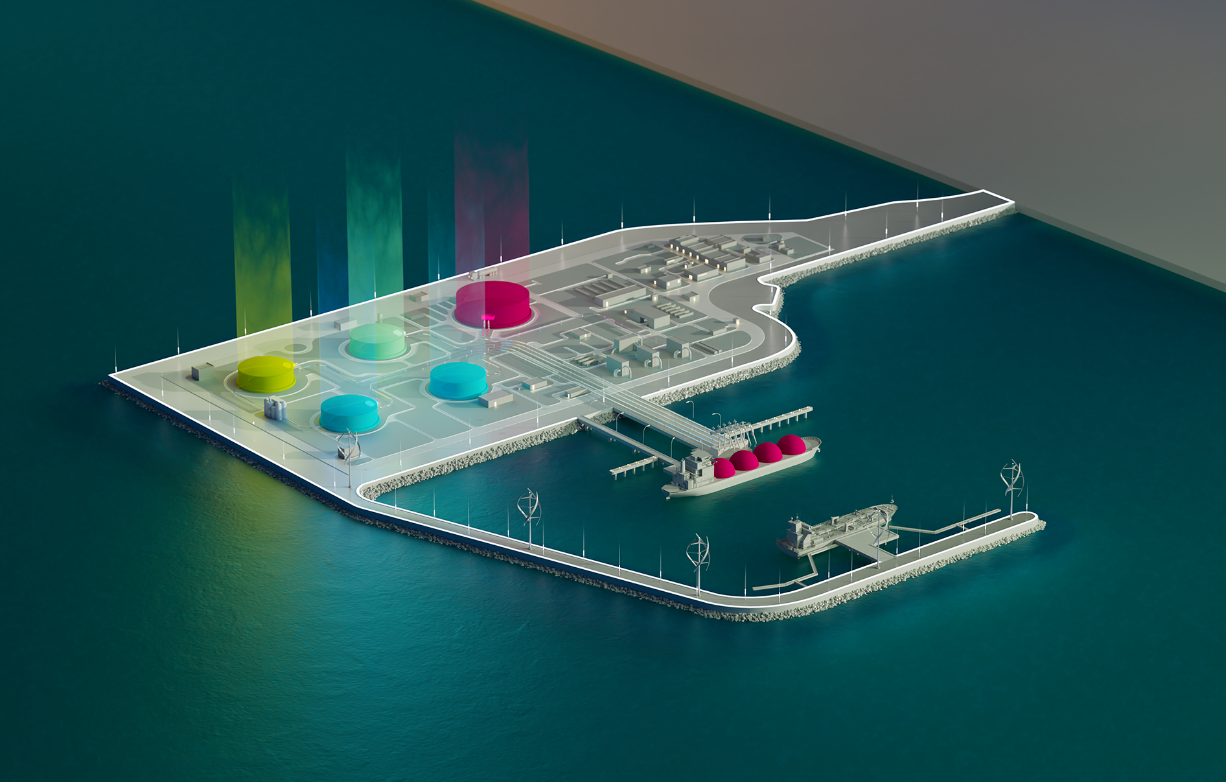

Planning ahead is of the essence
Through the Zeebrugge Multi-molecule Hub project Fluxys anticipates the market’s needs to deliver on the challenging decarbonisation targets ahead. Maritime imports of low-carbon hydrogen or derivatives will be required as well as the export of large quantities of CO₂ for safe and permanent sequestration under the seabed. Along the way, the Zeebrugge area continues to accommodate increased natural gas flows into Northwest Europe filling the gap left by the discontinued flows from the east in the wake of the invasion in Ukraine.
Fully shouldering the Belgian federal hydrogen strategy
Broadening the services range and infrastructure in the Zeebrugge area into tomorrow's decarbonisation needs fully lines up with overarching policy. It shoulders both the Belgian federal hydrogen strategy and the objective of Port of Antwerp-Bruges to become a green energy and feedstock hub.
Unique and geographically strategic location
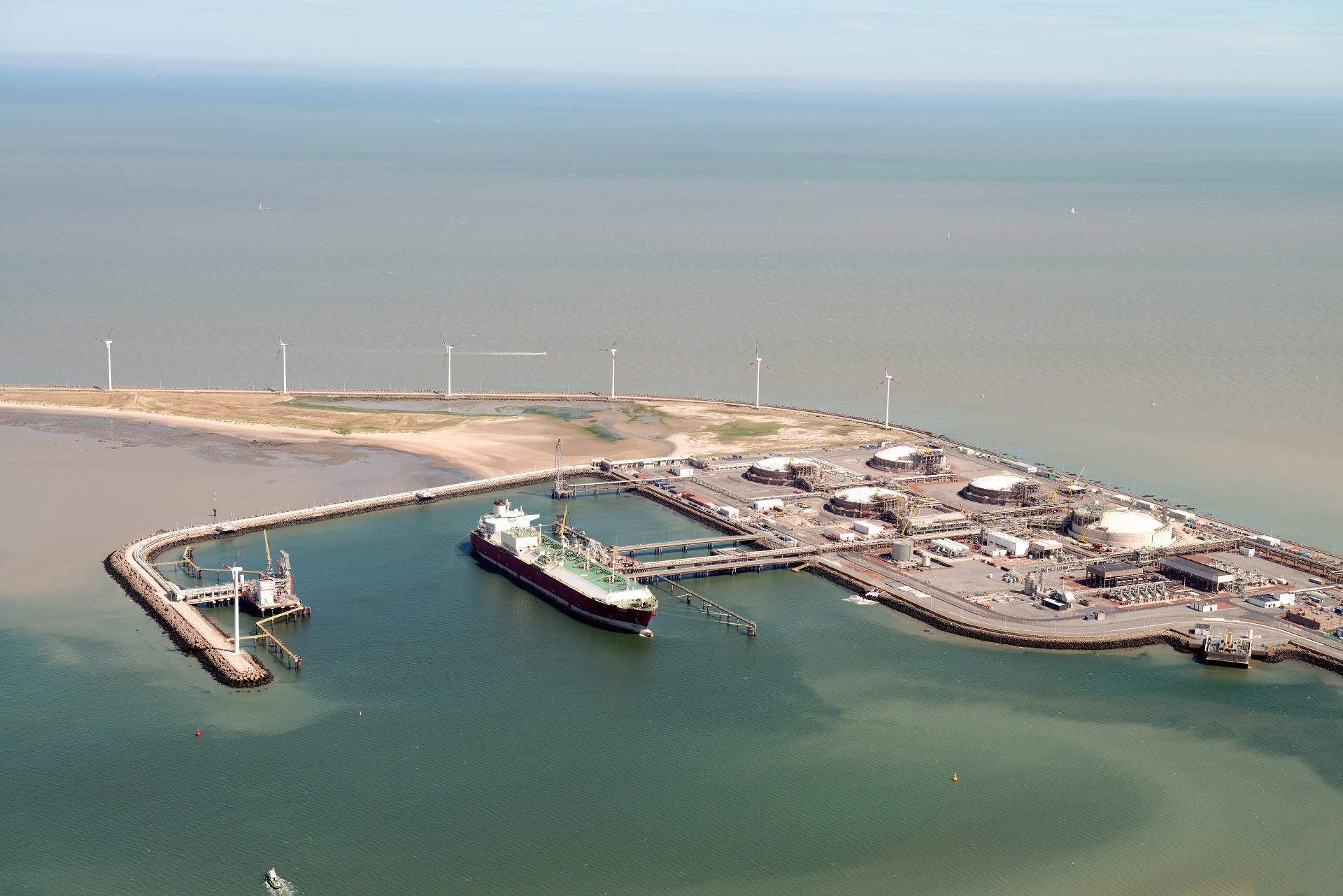
A cornerstone infrastructure for Northwest Europe's security of supply today, the Zeebrugge area has all it takes to serve the market as tomorrow's multi-molecule hub of choice. Its optimum port location, deep connectivity into the Northwest European hinterland and over 40 years of industrial and operational experience on the ground are the solid bedrock for offering the market a unique opportunity for the future.

The contents of this publication are the sole responsibility of Fluxys Belgium, and do not necessarily reflect the opinion of the European Union.
- Questions about hydrogen or carbon?
- Do not hesitate to reach out to: